
Restaurant and Bar Design
The best restaurant and bar interiors don’t just look good—they hold up. The floor is the first place where a concept can win (or lose) the guest experience: it sets the mood, directs traffic, supports your brand story, and takes daily abuse from foot traffic, chairs, spills, cleaning chemicals, and constant movement.
Here’s the open loop most commercial design guides skip: your tile selection is not a finish decision—it’s an operations decision. When the wrong tile is specified, you don’t just get a style mismatch. You get safety problems (slips), maintenance headaches (stains, grout discoloration), premature wear, and disruptions that cost real money.
That’s why designers, architects, and contractors keep coming back to High-Traffic Tiles that balance performance with personality—especially cement tiles (also called encaustic cement tiles). They deliver the visual impact of patterned tiles with the strength of concrete tiles, and they can be specified across a full hospitality footprint: bar floors, dining floors, entryways, restrooms, patios, and even feature walls and fireplace surrounds.
What Makes Tile “High-Traffic” in Restaurants and Bars?
In hospitality, “high traffic” doesn’t just mean “a lot of feet.” It means wear + impact + moisture + cleaning + time—all happening repeatedly, often every day.
The real demands of restaurant and bar floors
A true High-Traffic Tile solution should support:
- Constant abrasion: shoes, sand, grit, chair legs, bar stools, rolling service carts
- Impact: dropped glassware, heavy objects, moving furniture
- Moisture and spills: beverages, oils, sauces, bathroom water, mopping
- Frequent cleaning: chemicals, hot water, degreasers (especially near kitchens)
- Slip risk: wet entryways, restrooms, near bar wells, patios
- Visual longevity: patterns and finishes that still look sharp after years of use
That’s why material selection is inseparable from the concept design. A moody cocktail bar demands different visual cues than a coastal café—but both need durable floor tiles and a finish plan that won’t fail under service conditions.
Why Cement Tiles Are a Smart Choice for High-Traffic Hospitality Design
Cement tiles are having a major moment in restaurants and bars—and it’s not just because they’re pretty. They’re specified because they perform, communicate style instantly, and offer flexibility for brand identity.
Product benefits hospitality teams actually care about
1) Durability that matches real service conditions
Cement tiles are dense and built for daily wear. For many restaurants and bars, they provide the performance you want in Floor Tiles while delivering more design character than plain surfaces.
2) Handmade quality that feels premium
The subtle variation of handmade tiles adds depth and authenticity—perfect for spaces where you want a crafted, boutique feel instead of a mass-produced look.
3) Design power without luxury pricing
Hospitality budgets are real. Cement tile can deliver a custom, high-end look with affordable cement tiles options, especially when selecting in-stock cement tiles for fast renovations or multi-location rollouts.
4) Brand-forward customization
Need a signature colorway? Want a pattern that matches a logo or concept theme? Cement tiles can be customized for standout moments (entry medallions, bar fronts, branded “tile rugs”).
5) A natural fit for modern, vintage, and global aesthetics
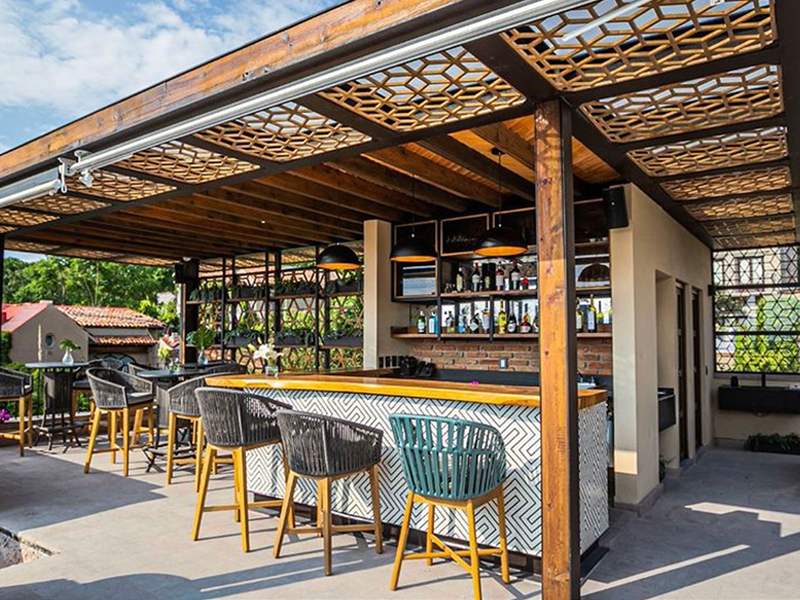
From Moroccan cement tiles to checkerboard to warm Mediterranean palettes, cement tiles can shift style depending on pattern, scale, and grout tone.
The 2026 Hospitality Design Direction: What Restaurant and Bar Clients Want Now
Restaurant and bar design is moving toward spaces that feel immersive and “intentional,” but still operationally smart. In 2026, clients are asking for:
- Statement floors that become part of the brand story
- Pattern zoning to guide guests (entry → bar → dining → restrooms)
- Warm, tactile palettes (earth tones, terracotta inspiration, aged neutrals)
- Modern geometry that feels architectural, not decorative
- Materials that photograph well (social media matters)
- Surfaces that clean fast and still look good in the morning
Cement tile checks every one of those boxes when specified properly.
To move quickly from inspiration to selection, hospitality teams often start with Check Projects Gallery and then shortlist ready-to-ship patterns via Shop In-Stock Tiles.

Style Inspiration for Restaurants and Bars
Moroccan: The “Global Boutique” Look That Always Works
Moroccan patterns create instant atmosphere—perfect for cocktail bars, wine bars, tapas, and Mediterranean concepts.
Best uses:
- Entry floors
- Bar back feature walls
- Restroom floors
- Patio dining zones
If your concept needs an expressive pattern direction, start with Shop Moroccan Tiles.
Zellige-style texture: Calm, elevated, and handcrafted
Zellige-style looks are trending in hospitality because they feel artisan and warm without overwhelming the space.
Best uses:
- Bar backs and beverage stations
- Bathroom walls
- Feature niches and accent areas
- Fireplace surrounds in lounge concepts
Zellige-style works especially well when paired with softer lighting, warm woods, and brushed metals.
Checkerboard: The timeless classic for modern bars and cafés
Checkerboard reads instantly recognizable and surprisingly upscale when styled well.
Best uses:
- Front-of-house entry zones
- Espresso bars and bakeries
- Bistro dining rooms
- Restroom floors (high impact, small area)
A checkerboard floor paired with warm neutrals and clean furnishings is one of the safest “timeless but trending” specs for 2026.
Modern / Contemporary: Graphic geometry and architectural rhythm
Modern patterned tiles work best when the rest of the space is restrained: simple furniture lines, clean millwork, and layered lighting.
Best uses:
- Main dining floors
- Under-bar zones
- Statement corridors to restrooms
Farmhouse + Ranch: Cozy, inviting, and high-contrast done right
Farmhouse and ranch-inspired concepts keep growing—think comfort food, grills, modern diners, and neighborhood cafés.
Best uses:
- Warm checkerboard floors
- Terracotta-look palettes
- Subtle geometry in neutral tones
Mid-century modern: Retro structure, modern materials
Mid-century palettes and geometry feel current again—especially in cocktail lounges and “vinyl bar” concepts.
Best uses:
- Geometric floors in seating lounges
- Bar front accents
- Feature walls that echo the floor pattern
Mediterranean: Sun-baked warmth and timeless charm
Mediterranean hospitality design loves terracotta tones, warm whites, and patterned moments that feel like vacation.
Best uses:
- Patio floors
- Entryways
- Wine bar interiors
- Fireplace seating areas

Applications by Room: Where High-Traffic Tiles Deliver the Most ROI
Even though this is a hospitality-focused post, the same tile strategy applies across the most searched “rooms” and zones—especially for mixed-use projects, boutique hotels, and restaurant spaces with residential-style amenities.
Entryways
Your entry floor is your first branding moment and one of your highest wear zones. Patterned cement tiles excel here because they:
- Hide dirt better than plain surfaces
- Signal the concept immediately
- Create a “wow” moment for guests and social photos
A smart workflow: start with Check Projects Gallery, shortlist patterns, then verify scale with Order Samples.
Kitchens (Commercial + Open Kitchens)
While many commercial kitchens use specialized surfaces, open-kitchen transitions, prep corridors, and server pass areas often benefit from durable, design-forward floors.
Where cement tiles work beautifully:
- Chef’s counter zones
- Open kitchen perimeters
- Back-of-house corridors that guests see
These are places where water-resistant tiles and smart grout choices matter.
Bathrooms (Public Restrooms)
Restrooms are a huge brand moment—and a huge performance demand.
- Floors need to be durable and slip-smart
- Walls need to handle moisture and cleaning
- Patterns can make small spaces iconic
Cement tiles are frequently used as bathroom floor tiles and statement restroom moments in bars and restaurants.
Showers (for hospitality projects with suites/spas)
If your project includes suites or hospitality showers, cement tile can be used—especially for feature walls, niches, and statement floors (with correct waterproofing and sealing).
Patios (Restaurant & Bar Outdoor Seating)
Patios are a revenue zone—and in many cities, they’re the most valuable seats. Outdoor floors need:
- Traction
- Drainage
- A finish plan built for weather
Patterned cement tiles create an “outdoor room” that feels curated and Instagram-friendly.
Backsplashes (Bar backs, beverage stations, open kitchens)
Backsplashes are one of the easiest ways to upgrade a bar:
- They photograph well
- They reinforce brand style
- They’re a high-visibility zone with manageable square footage
This is where Moroccan and zellige-style looks shine.
Laundry Rooms (for hospitality + staff areas)
Staff zones matter—especially in hospitality projects where durability and cleanability are key. Cement tiles can support practical back-of-house areas while maintaining a cohesive design story.
Fireplaces (lounge areas, hotel bars, cocktail rooms)
Fireplace tile ideas are back in hospitality—especially in lounge concepts that emphasize comfort and atmosphere. Cement tiles can create a bold surround or a refined, textured finish that anchors the room.

How to Specify Tiles for Restaurant and Bar Projects (Fast)
Hospitality timelines move quickly. Contractors need product decisions early. Designers need samples to lock palettes. Owners need budget clarity.
Here’s what makes online sourcing easy for restaurant and bar projects:
In-stock inventory for quick remodels and phased openings
When a bar needs to open on schedule, in-stock cement tiles reduce risk. You can browse ready-to-ship options through Shop In-Stock Tiles.
Sample-first decision making (especially for lighting and color accuracy)
Hospitality lighting changes everything—warm pendants, dim cocktail lighting, daylight on patios. Use Order Samples to confirm:
- Pattern scale at distance
- Color undertones in your lighting
- Grout direction and contrast
- Sealer finish behavior
Custom colors and project coordination
Need a custom palette, a signature pattern, or a consistent roll-out across locations? Start with Contact Us for Custom Colors to align on scope and timeline.
Real-world inspiration and stakeholder alignment
When owners and teams see built projects, approvals happen faster. Use Check Projects Gallery to communicate how patterns translate in real spaces.
Installation & Maintenance Basics for High-Traffic Hospitality Tiles
In restaurants and bars, the “right tile” still fails if the system isn’t right. Here are the essentials.
Cutting and layout planning
- Dry-lay (test lay) patterned tiles before setting to confirm direction and rhythm
- Use a wet saw with a diamond blade
- Cut slowly to reduce chipping
- Plan transitions at thresholds and bar edges so the pattern looks intentional
Grout recommendations (hospitality edition)
Grout choice is both aesthetic and operational:
- Mid-tone grout is often most forgiving (hides dirt and daily wear)
- Matching grout looks modern and calm
- High-contrast grout looks graphic but may show staining faster in service environments
For bars and restaurants, many teams choose mid-tone grout to keep floors looking clean between deep cleans.
Sealing (critical for cement tile performance)
Cement tiles are porous, so sealing helps:
- Protect from staining (wine, citrus, oils, sauces)
- Reduce grout haze issues
- Improve long-term cleanability
A common best practice is to pre-seal before grouting and then seal again after grout cures (your installer should choose the right products for your environment and local requirements).
Cleaning and long-term care
- Use pH-neutral cleaners for routine cleaning
- Avoid harsh acids that can damage cement-based surfaces
- Sweep often to remove grit (grit is what slowly dulls surfaces)
- Spot-clean spills quickly in high-risk zones (bar wells, entryways)
Slip resistance: design it in
Slip safety is achieved by the whole system, not just the tile:
- Choose matte surfaces
- Use appropriate tile sizes and grout joints (more grout joints can help traction)
- Ensure correct slope and drainage on patios
- Add entrance mats and transitions where needed
FAQs: High-Traffic Tiles for Restaurants and Bars
1) What are the best High-Traffic Tiles for restaurant floors?
The best High-Traffic Tiles combine durability, easy cleaning, and visual longevity. Cement tiles are a popular choice for hospitality because they deliver patterned style with strong wear performance when installed and sealed correctly.
2) Are cement tiles durable enough for bar and restaurant use?
Yes. Cement tiles are frequently specified as durable floor tiles in high-traffic commercial spaces. Performance depends on proper installation, sealing, and a realistic cleaning plan.
3) Are patterned tiles a good idea for restaurants?
Patterned tiles are often a better idea than solid floors because they hide minor debris and wear between cleanings and create a memorable brand moment—especially in entries, restrooms, and bar zones.
4) What grout color is best for commercial tile floors?
Mid-tone grout is typically most forgiving in restaurants and bars because it hides foot traffic and small stains better than bright white. Matching grout looks modern; contrasting grout looks bold but can show staining sooner in service environments.
5) Can I use cement tiles on restaurant patios?
Yes, patios are one of the strongest use cases—especially for patterned cement tile that creates an outdoor “room.” Make sure drainage, slope, and sealing are planned for your climate.
6) Are cement tiles water-resistant?
Cement tiles are porous, so they need sealing to support water resistance in real-world conditions. With correct sealing and maintenance, they perform well in bathrooms, patios, and other spill-prone zones.
7) Can I order samples before committing to a full commercial order?
Yes—and it’s strongly recommended. Use Order Samples to confirm color, pattern scale, grout direction, and how the tile reads under your lighting.
8) Can you match a specific restaurant brand color or create a custom pattern?
Yes. If you need custom colors, branding, or a coordinated multi-location palette, start with Contact Us for Custom Colors.
Closing: Design a Space That Looks Great on Day One—and Still Looks Great After Year One
Restaurant and bar design is where performance and atmosphere must work together. When you specify the right High-Traffic Tiles, you get a floor (and a brand moment) that supports the business: safer circulation, easier cleaning, fewer headaches, and an aesthetic guests remember.
To move from inspiration to specification, you can explore Shop Cement Tiles, review fast-ship inventory in Shop In-Stock Tiles, test finishes with Order Samples, align on custom palettes through Contact Us for Custom Colors, and get stakeholder buy-in using Check Projects Gallery.

Trackbacks/Pingbacks